The origin of the name
The naming process for the gondola was designed to capture the various facets of the project: the concept, its goals, and the promise of a spectacular panorama for its visitors.
We therefore considered the different aspects evoked by the focal points mentioned above, so that they could be blended into a name that would be evocative, unique, easy to read, and tied to the local area — while also being understandable in the languages most commonly used across our ski area: Italian, French, and English.
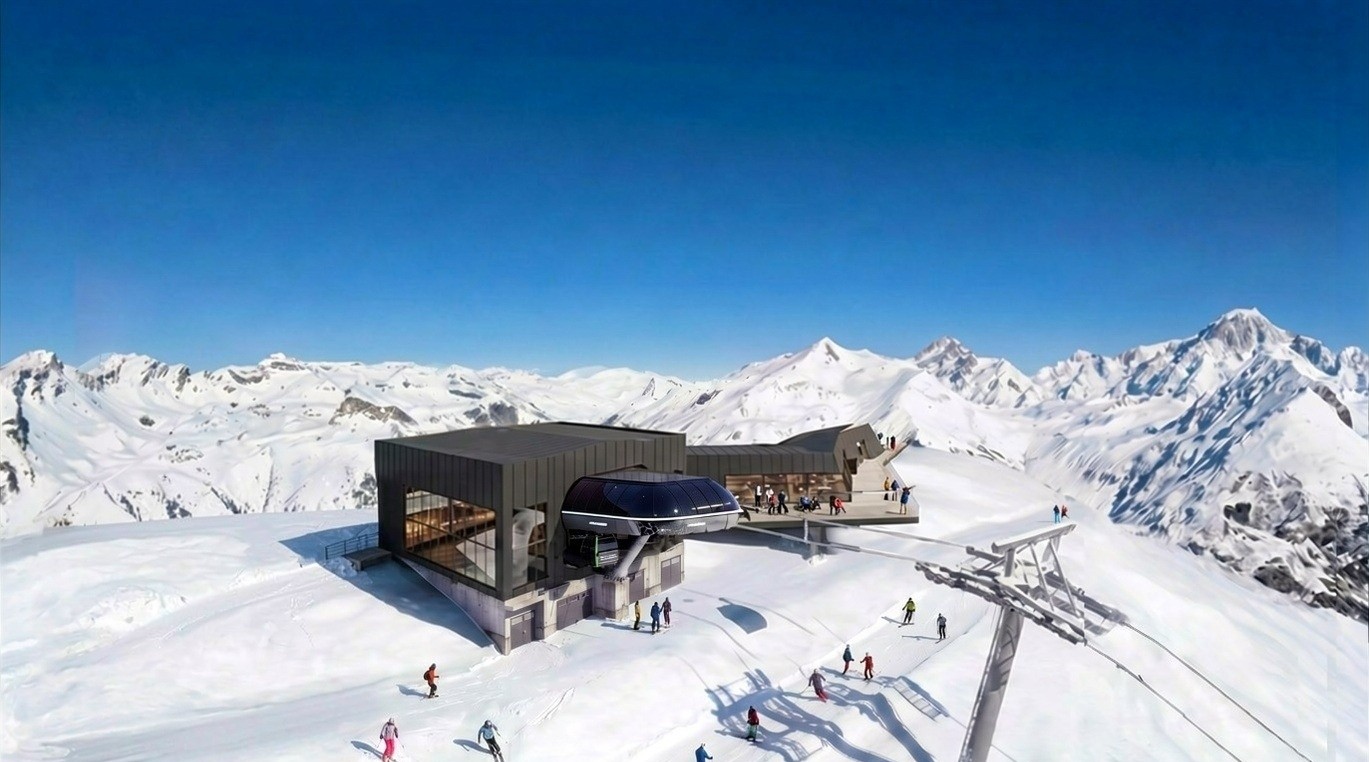
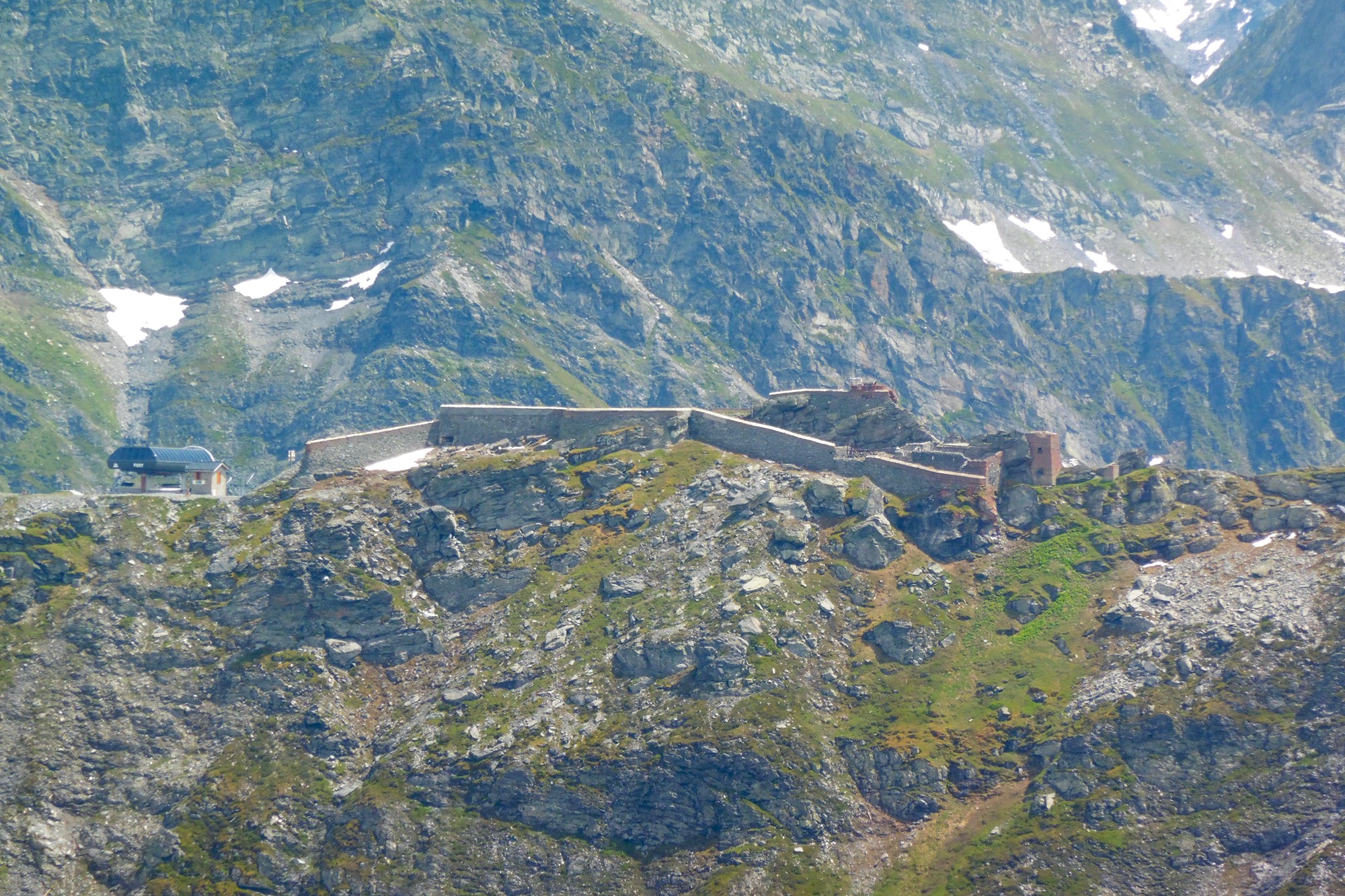
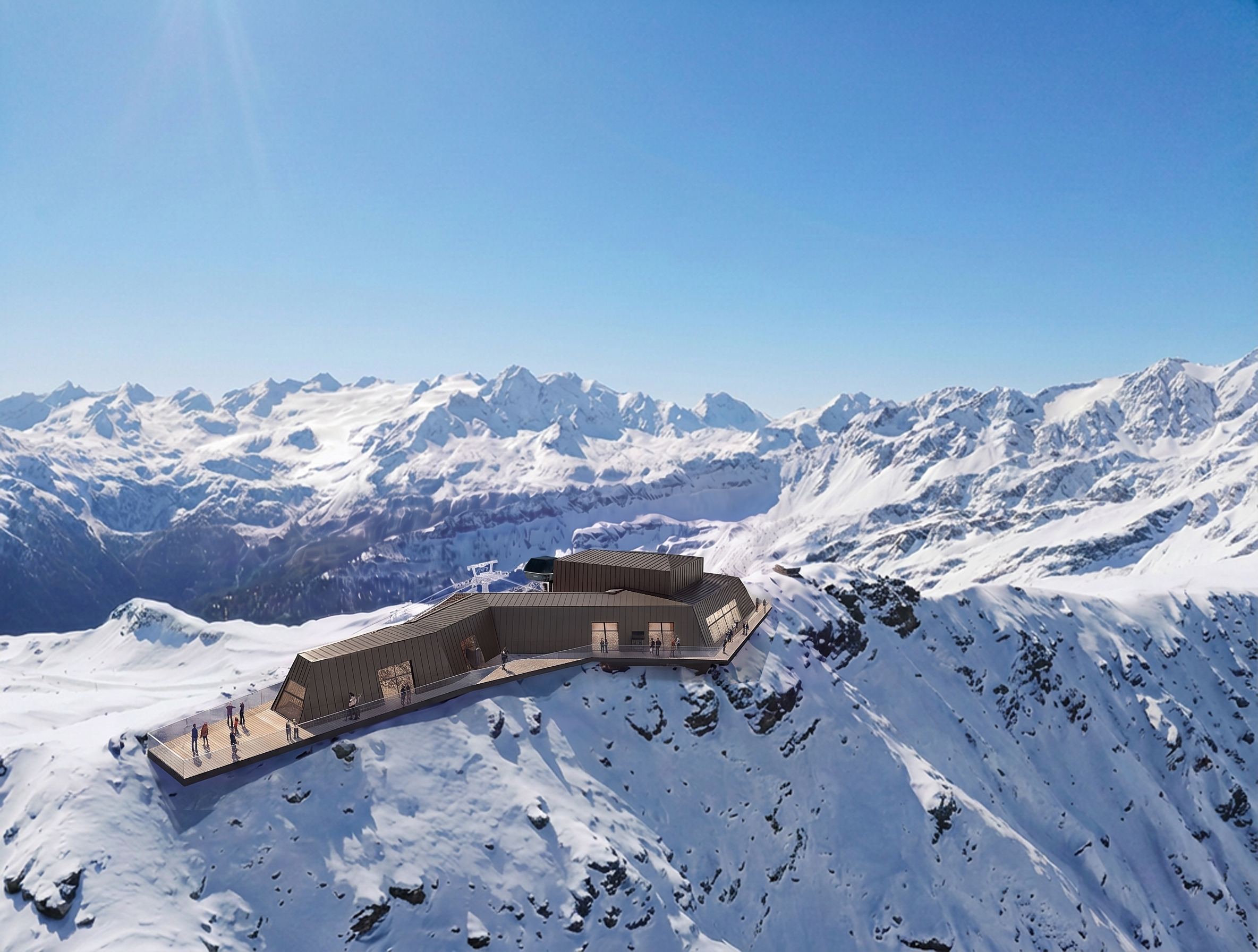
The architectural concept — a modern take on a military fort — brought to mind the lives of soldiers and the purpose for which these structures were built: to protect routes of passage through the visual control of the territory, made possible by their elevated position. The focus: seeing far.
The stated goal of the new gondola is to allow pedestrians as well to reach the summit and enjoy the 360° panorama visible from the top station and future panoramic terrace. The focus: seeing far.
The shared focus we identified was therefore quite clear: letting the gaze roam far and wide — once for military reasons, today for pure pleasure.
We then wanted to combine this shared focus with the uniqueness of the architectural concept, drawing on military language: in a fort, it was the sentinels (in italian and french language "vedette") whose job was to "see far."
The choice of this name met all the criteria we had set ourselves:
- Evocative: a modern reading of a fort, where today's lookouts don't wear helmets and carry rifles, but ski helmets and poles.
- Tied to the territory: the Vedette del Rutor are also two peaks that rise straight from the glacier of the same name, and they are visible from the gondola's top station.
- Unique: an original term precisely because it is so closely linked to both the concept and the territory.
- Easy to read and international: "Vedette" is an Italian word when read in the plural; read in the singular, it is a French word with a double meaning — "vedette" as the singular of "sentinel" but above all "vedette" as "star" (of cinema, of TV). And so our gondola can also be read as the "star" of the ski area. Finally, in English the word vedette was borrowed from French, albeit with a somewhat archaic usage tied specifically to military history. For completeness, "Vedette" is in any case the proper name of two peaks that characterize our territory, and therefore untranslatable into any other language.