Who was Franco Berthod?
The Broken Promise of the Valanga Azzurra
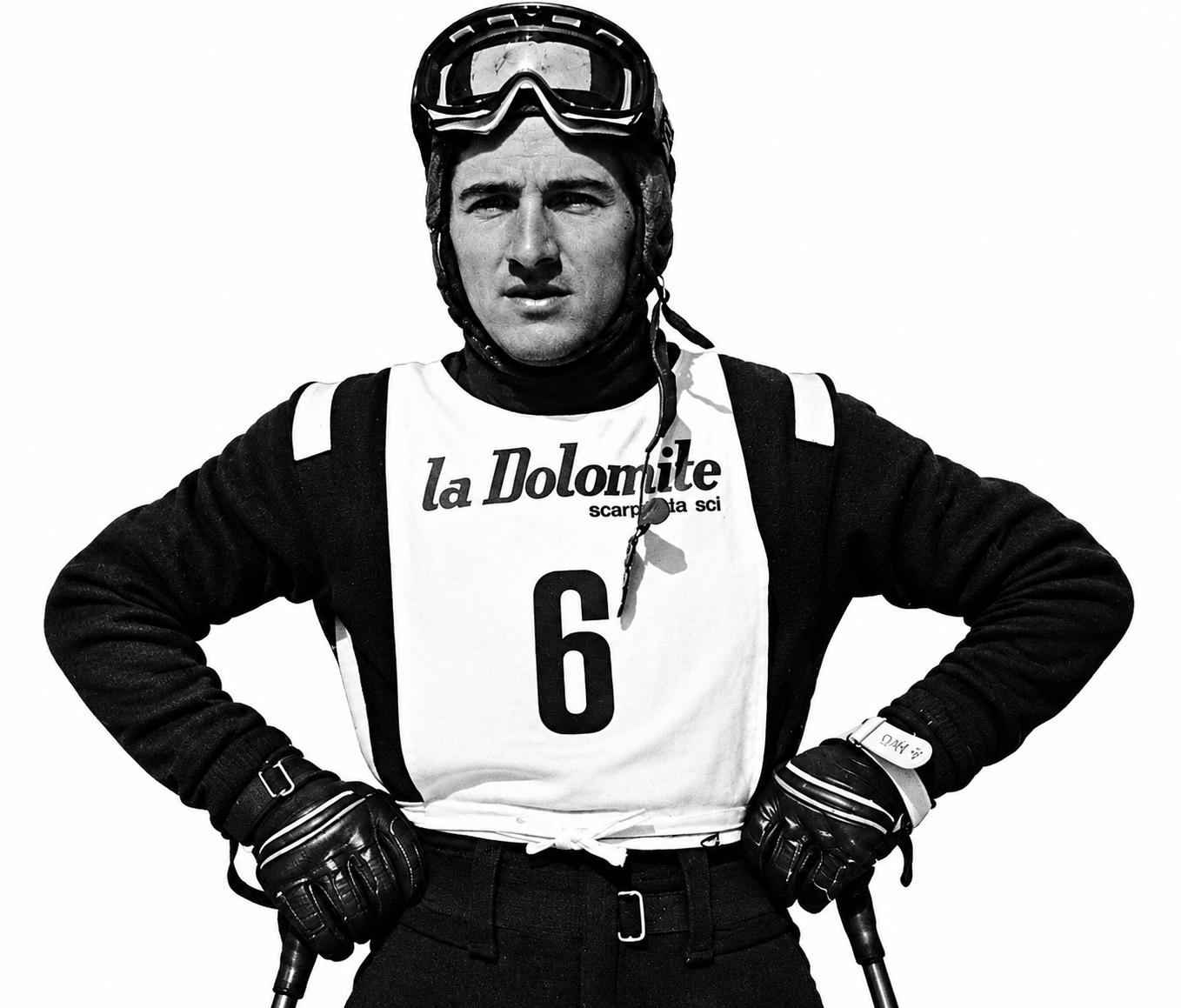
Franco Berthod was born in 1949 in La Thuile, a small municipality in the Aosta Valley nestled in the valley that bears the same name, on the border with France. He grew up among the mountains that would become his sporting stage and, from a very young age, showed an extraordinary talent for alpine skiing.
At just 18, he was already among the strongest Italian athletes in giant slalom, earning his place in the legendary "Valanga Azzurra" (Blue Avalanche), the Italian national team that rewrote the history of world skiing in the 1960s. He made his World Cup debut wearing the Italian jersey as a teenager, and the 1968 Grenoble Winter Olympics loomed as the natural milestone of a career that seemed already written.
Fate, however, did not come through the slopes. While travelling to Madesimo for a training session, Franco was the victim of a serious road accident whose consequences prevented him from continuing his competitive career. At twenty, his life as an athlete was over.
But Berthod did not abandon the mountain. He dedicated himself to developing the ski activities of the Sci Club La Thuile Rutor, his home club, becoming its coach and passing on to young skiers the technique and passion that had made him a phenomenon. His brother Dante embarked on a long administrative career in the Italian Winter Sports Federation, eventually becoming a federal councillor.
A tumour took him away at just 49 years old, around 1998, extinguishing a life that had been shorter than it deserved.
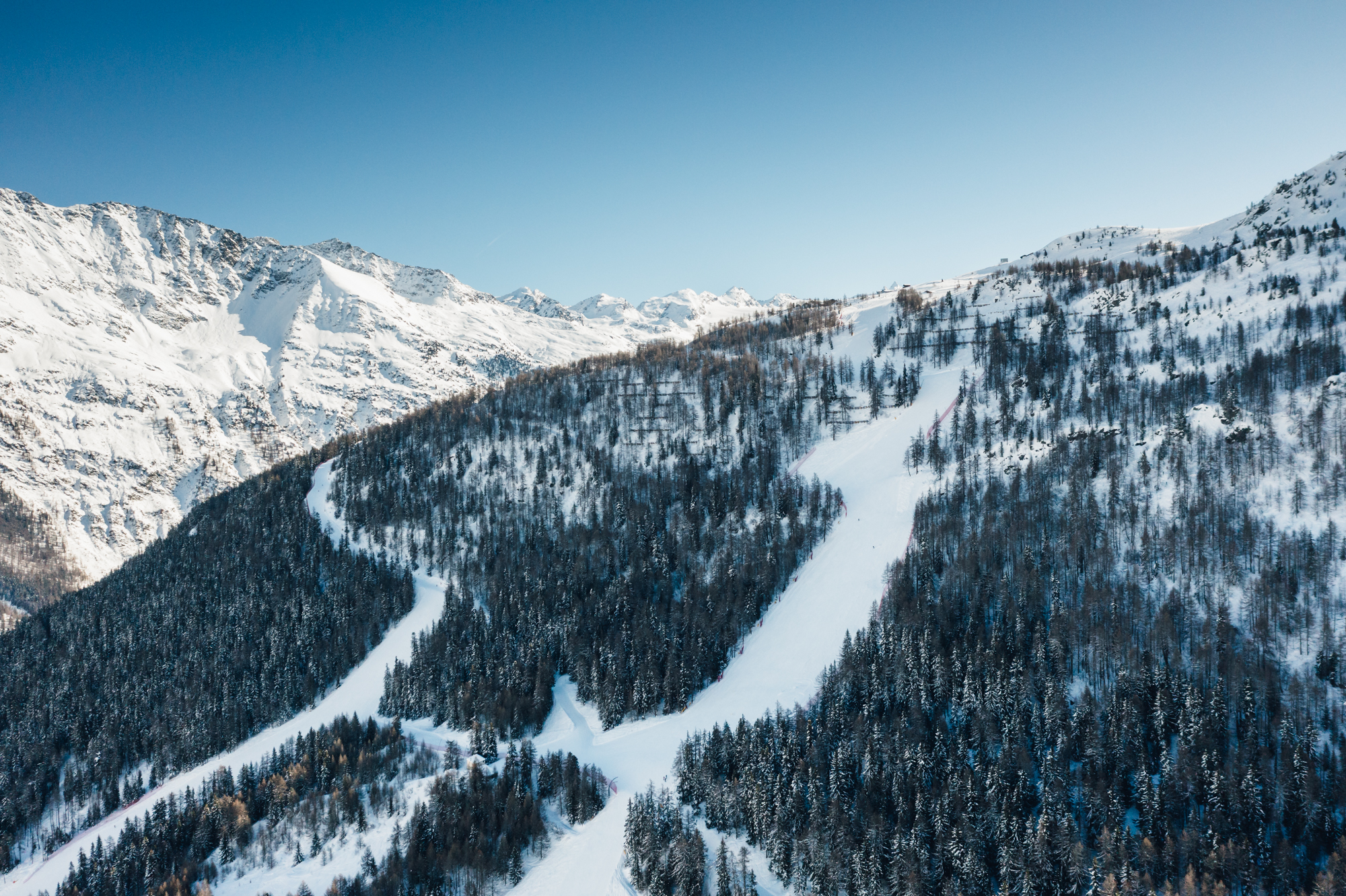
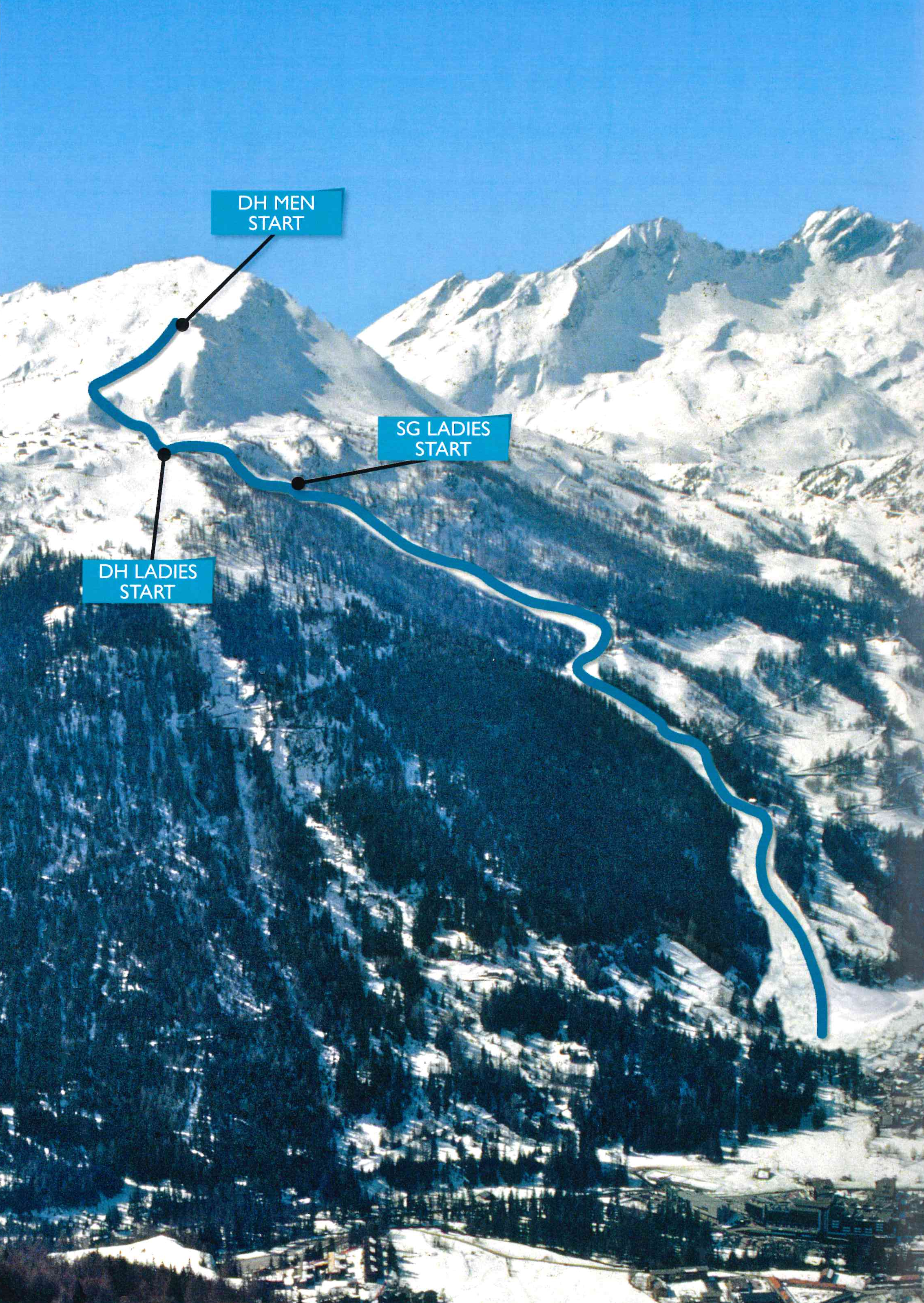
Today his name lives on in Slope 3 "Franco Berthod," the steepest black run in Italy, with its famous "Grand Muret" reaching a 76% gradient. Designed with the consultation of Bernhard Russi, it has become a venue for the Women's World Cup. It is a tribute that forever binds his name to the mountain that watched him grow, and that keeps alive the memory of an athlete whose talent was greater than the races he managed to compete in.